


Therapy for Peer Relationship Challenges & School Issues in Eden Prairie, MN
Struggling with friendships, social stress, or school-related challenges can feel overwhelming — especially for children and teens who are still learning how to navigate relationships and emotions.
Peer relationships play a huge role in emotional development, self-esteem, and overall mental health.
When friendships feel hard, it can impact mood, behavior, and school performance.
At Creekside Counseling, we provide therapy for peer relationship challenges and school-related issues for children and teens who feel stuck, isolated, or emotionally overwhelmed. We offer in-person therapy in Eden Prairie and virtual therapy across Minnesota, creating a supportive space where kids and teens can feel understood and build confidence in themselves and their relationships.
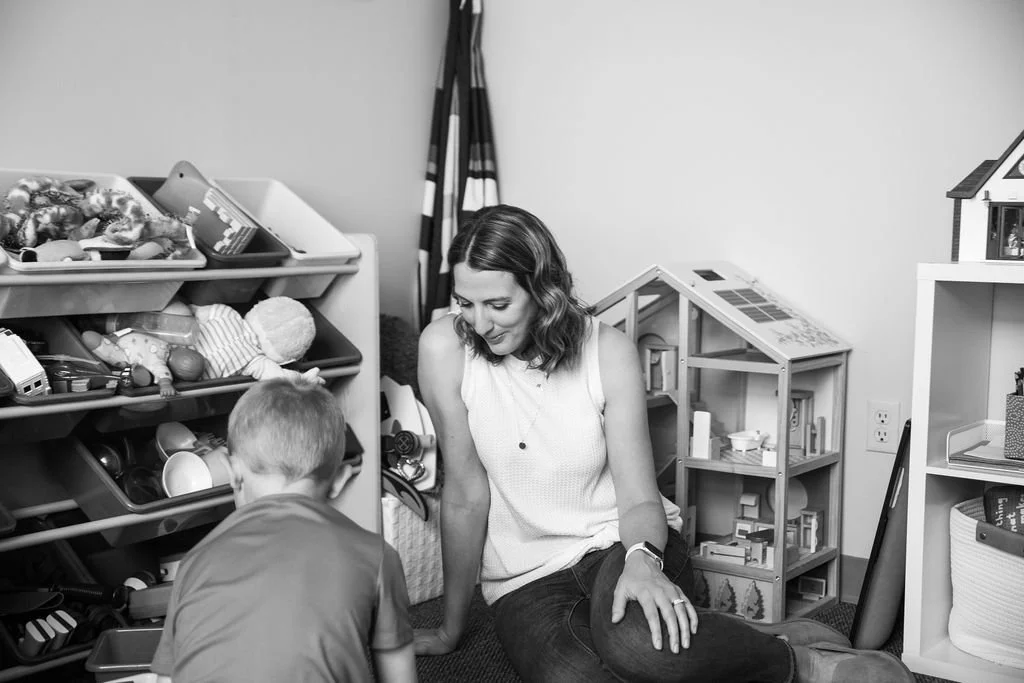
Therapy for peer relationships may be a good fit if your child or teen is experiencing:
Difficulty making or keeping friends
Ongoing conflict, exclusion, or bullying
Social anxiety or fear of rejection
Low self-esteem or negative self-talk
Struggles with boundaries, communication, or conflict resolution
We help clients build insight, resilience, and skills that support healthier, more fulfilling relationships.
Common Reasons Parents Seek Therapy for School-Related Issues
School avoidance or frequent absences
Emotional overwhelm or shutdown at school
Behavioral concerns or difficulty focusing
Increased anxiety, irritability, or sadness tied to school
Stress related to academic pressure or social expectations
School challenges often go hand-in-hand with peer stress, emotional regulation difficulties, or anxiety. Therapy helps identify what’s getting in the way and supports sustainable change — not just short-term fixes.
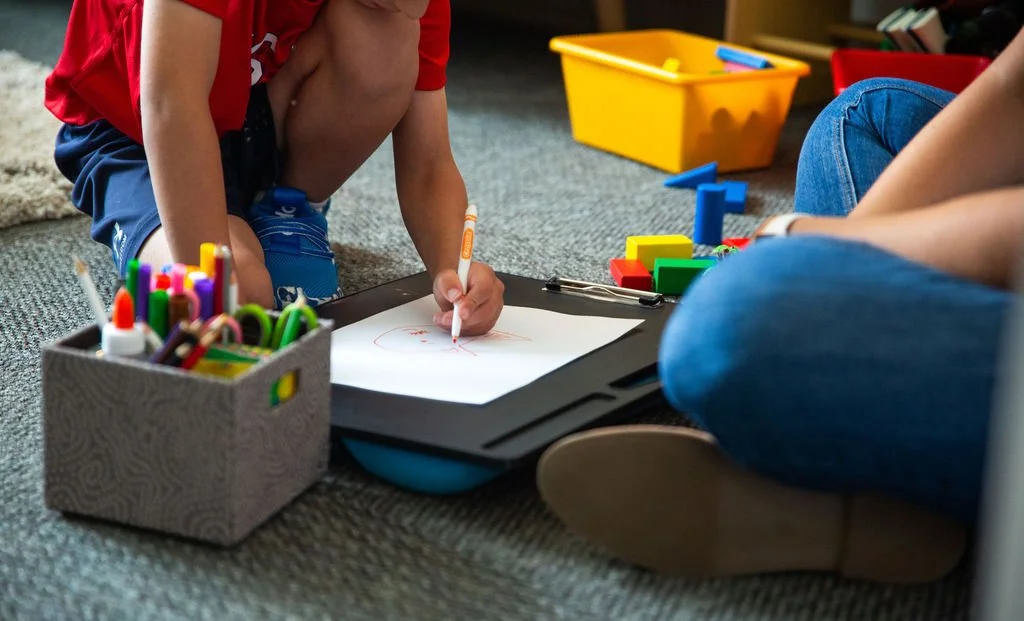
What Therapy for Peer Relationships Looks Like for Children and Teens
Therapy isn’t about forcing change or labeling behavior. It’s about helping kids and teens understand themselves and feel supported as they grow.
Our sessions are:
Developmentally appropriate and relational
Grounded in emotional safety and trust
Focused on both emotional insight and practical skills
Clients learn how to express themselves, manage emotions, and navigate social situations with greater confidence.
Our Therapeutic Approach to Anxiety Therapy
Our therapists use evidence-informed, trauma-aware approaches tailored to each client’s needs. These approaches help clients regulate anxiety, build emotional resilience, and feel more connected, while honoring each person’s lived experience.
-
CBT helps children understand how thoughts, feelings, and behaviors are connected. In therapy, kids learn to notice negative or self-critical thinking patterns that often show up with depression and practice more balanced, supportive ways of thinking. CBT also helps children build coping skills for managing sadness, low motivation, and emotional overwhelm in everyday situations.
-
EMDR can be helpful for kids whose depression is connected to stressful or overwhelming experiences. This approach supports the brain in processing emotional memories that may be keeping sadness, fear, or hopelessness stuck. EMDR for kids is adapted to be age-appropriate and may include movement, drawing, or other child-friendly techniques to help children feel safer and more regulated.
-
ART is a gentle, structured therapy that helps children work through distressing memories or emotional experiences without needing to talk through every detail. This can be especially helpful for kids who have trouble putting feelings into words. ART supports emotional relief, improved mood, and a stronger sense of control over thoughts and feelings.
-
This approach focuses on building a strong, trusting relationship between your child and their therapist while helping kids identify strengths and small, achievable steps forward. Rather than focusing only on problems, solution-focused therapy helps children notice what is already working and build confidence as they move toward emotional stability and hope.
-
Play therapy helps children express and work through anxiety using activities that feel natural and safe, such as play, art, movement, or storytelling. For kids who have difficulty explaining worries with words, play therapy supports emotional regulation, confidence, and coping skills in a developmentally appropriate way.
How Can Therapy Help With School and Peer Challenges?
Therapy creates a supportive space where kids and teens can grow with confidence during this stage of development.
Supporting Middle School & Adolescent Transitions Looks Like:
❋ Regulate emotions during social and academic stressKids learn tools to manage big feelings that often come with school pressure, peer conflict, and emotional sensitivity.
❋ Strengthen family support during transitionsWhen appropriate, parent involvement helps caregivers better understand their child’s experience and reinforce growth at home.
❋ Build confidence, boundaries, and self-advocacyChildren gain skills to stand up for themselves, set boundaries, and feel more secure in social situations.
❋ Improve communication and conflict skillsTherapy supports healthier ways to express needs, listen to others, and navigate peer disagreements.
Our Providers
-
![]()
Elisabeth Emmerich
OWNER, MA, LPCC, RPT™
Elisabeth helps women navigate anxiety, perfectionism, and the lingering effects of childhood trauma, while also supporting kids and teens through anxiety, trauma and life transitions. As a mom of three, she brings firsthand understanding of the pressures of motherhood to a warm, compassionate, and practical approach that helps clients untangle old patterns and create meaningful change.
-
![]()
Marina Mitcheltree
MA, LPCC
Marina supports children, teens, and families navigating anxiety, behavioral challenges, and life transitions. She specializes in early childhood mental health, child-parent relationships, and play therapy, and is passionate about empowering women and supporting BIPOC communities. As a mom, she brings personal insight into the challenges of parenting while creating a compassionate, practical space for families and individuals to heal and grow. -
![Laura Muench Eden Prairie MN Social Worker]()
Laura Muench
MSW, LICSW
Laura specializes in early childhood, autism support, and parent-child relationships, helping families navigate behavior challenges, anxiety, and life transitions. With a strong focus on connection and attachment, she takes a warm, practical approach to supporting both children and parents. Laura especially enjoys working with young children and guiding families toward more confidence, stronger communication, and meaningful, lasting change.



Your Questions, Answered
-
These may include difficulty making friends, understanding social cues, sharing, or managing emotions in group settings.
-
Children learn communication, empathy, and problem-solving skills through guided practice and real-life application.
-
Yes, therapy can help children build confidence and feel more comfortable in social situations.
-
It’s the ability to understand and manage emotions in a healthy way, especially during stressful situations.
-
Model calm behavior, validate emotions, and practice coping strategies together.