


Therapy for Kids Coping With Divorce and Co-Parenting in Eden Prairie, MN
Therapy can give children a safe place to talk, process, and feel supported during family transitions.
Divorce and changes in family structure can be deeply confusing and emotional for children and teens.
Even when adults are doing their best, kids may feel caught in the middle, unsure how to express their feelings, or worried about what comes next.
At Creekside Counseling, we offer therapy for kids and teens coping with divorce, separation, and co-parenting changes. Our therapists provide in-person therapy in Eden Prairie, MN and virtual therapy across Minnesota, helping children feel more secure, understood, and emotionally supported as families adjust.
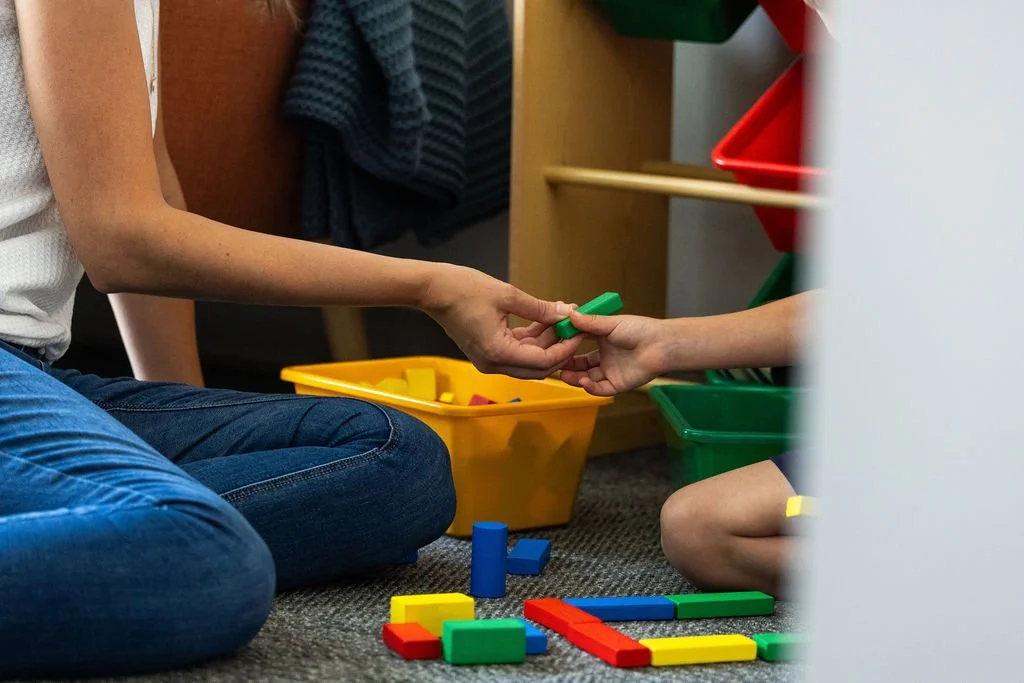
Therapy for Children Navigating Divorce and Co-Parenting
Children experience divorce and co-parenting differently depending on their age, temperament, and family dynamics. Some children openly express sadness or anger, while others internalize their feelings.
Therapy may be helpful if your child or teen is experiencing:
Increased anxiety, sadness, or irritability
Behavioral changes at home or school
Trouble adjusting to two households or new routines
Loyalty conflicts or feeling caught between parents
Difficulty talking about emotions related to the divorce
Therapy helps children make sense of changes in a way that feels safe and age-appropriate.
How Therapists Help Build Confidence in Kids
Therapists help children build confidence by creating a safe, supportive space where kids feel seen and accepted. Through therapy, children can learn to:
Identify and challenge negative beliefs about themselves
Develop self-compassion and emotional awareness
Build problem-solving and coping skills
Practice assertive communication
Feel more confident in social, school, and family settings
As confidence grows, kids often feel more willing to take healthy risks and express themselves.

Common Challenges Kids Face During Divorce
Families often seek therapy when children are struggling with:
Changes in living arrangements or schedules
Transitions between households
Tension between parents or caregivers
Uncertainty about family roles and expectations
Fear of abandonment or instability
Even when divorce is handled thoughtfully, children may still need extra emotional support.
Our Approach to Self-Esteem Therapy for Kids
Our therapists use evidence-informed, trauma-aware approaches tailored to each child and family. This approach helps children process emotions, build confidence, and adapt to family changes in healthy ways.
-
CBT helps children understand how thoughts, feelings, and behaviors are connected. In therapy, kids learn to notice negative or self-critical thinking patterns that often show up with depression and practice more balanced, supportive ways of thinking. CBT also helps children build coping skills for managing sadness, low motivation, and emotional overwhelm in everyday situations.
-
ART is a gentle, structured therapy that helps children work through distressing memories or emotional experiences without needing to talk through every detail. This can be especially helpful for kids who have trouble putting feelings into words. ART supports emotional relief, improved mood, and a stronger sense of control over thoughts and feelings.
-
This approach focuses on building a strong, trusting relationship between your child and their therapist while helping kids identify strengths and small, achievable steps forward. Rather than focusing only on problems, solution-focused therapy helps children notice what is already working and build confidence as they move toward emotional stability and hope.
-
Play therapy helps children express and work through anxiety using activities that feel natural and safe, such as play, art, movement, or storytelling. For kids who have difficulty explaining worries with words, play therapy supports emotional regulation, confidence, and coping skills in a developmentally appropriate way.
Supporting Healthy Co-Parenting Transitions
We work with parents when appropriate to support consistency, emotional safety, and clarity for children.
When co-parenting is part of a child’s experience, therapy can help kids:
❋ Express feelings without fear of upsetting a parentTherapy provides a safe space for children to talk about emotions they may be holding in or unsure how to share.
❋ Adjust to transitions between householdsKids learn ways to cope with schedule changes, different routines, and moving between homes more smoothly.
❋ Develop healthy communication skillsKids practice expressing needs, asking for support, and communicating more confidently with caregivers.
❋ Feel secure and supported in both homesChildren build a stronger sense of stability and emotional safety, even when family structures change.
Our Providers
-
![]()
Elisabeth Emmerich
OWNER, MA, LPCC, RPT™
Elisabeth helps women navigate anxiety, perfectionism, and the lingering effects of childhood trauma, while also supporting kids and teens through anxiety, trauma and life transitions. As a mom of three, she brings firsthand understanding of the pressures of motherhood to a warm, compassionate, and practical approach that helps clients untangle old patterns and create meaningful change.
-
![]()
Marina Mitcheltree
MA, LPCC
Marina supports children, teens, and families navigating anxiety, behavioral challenges, and life transitions. She specializes in early childhood mental health, child-parent relationships, and play therapy, and is passionate about empowering women and supporting BIPOC communities. As a mom, she brings personal insight into the challenges of parenting while creating a compassionate, practical space for families and individuals to heal and grow. -
![Laura Muench Eden Prairie MN Social Worker]()
Laura Muench
MSW, LICSW
Laura specializes in early childhood, autism support, and parent-child relationships, helping families navigate behavior challenges, anxiety, and life transitions. With a strong focus on connection and attachment, she takes a warm, practical approach to supporting both children and parents. Laura especially enjoys working with young children and guiding families toward more confidence, stronger communication, and meaningful, lasting change.



Your Questions, Answered
-
Children may experience confusion, sadness, anxiety, or behavior changes as they adjust to new routines and family dynamics.
-
If your child is struggling with emotional changes, acting out, or having difficulty adjusting, therapy can provide support and stability.
-
Therapy gives children a safe space to process their feelings, build coping skills, and adjust to changes in a healthy way.
-
Co-parenting support helps parents create consistency, improve communication, and reduce conflict so children feel more secure.
-
Maintaining routines, reducing conflict, and offering reassurance can help children feel safe and supported during this transition.