

Bullying in Schools: What Parents Can Do If Their Child Is Being Bullied — or Bullying Others
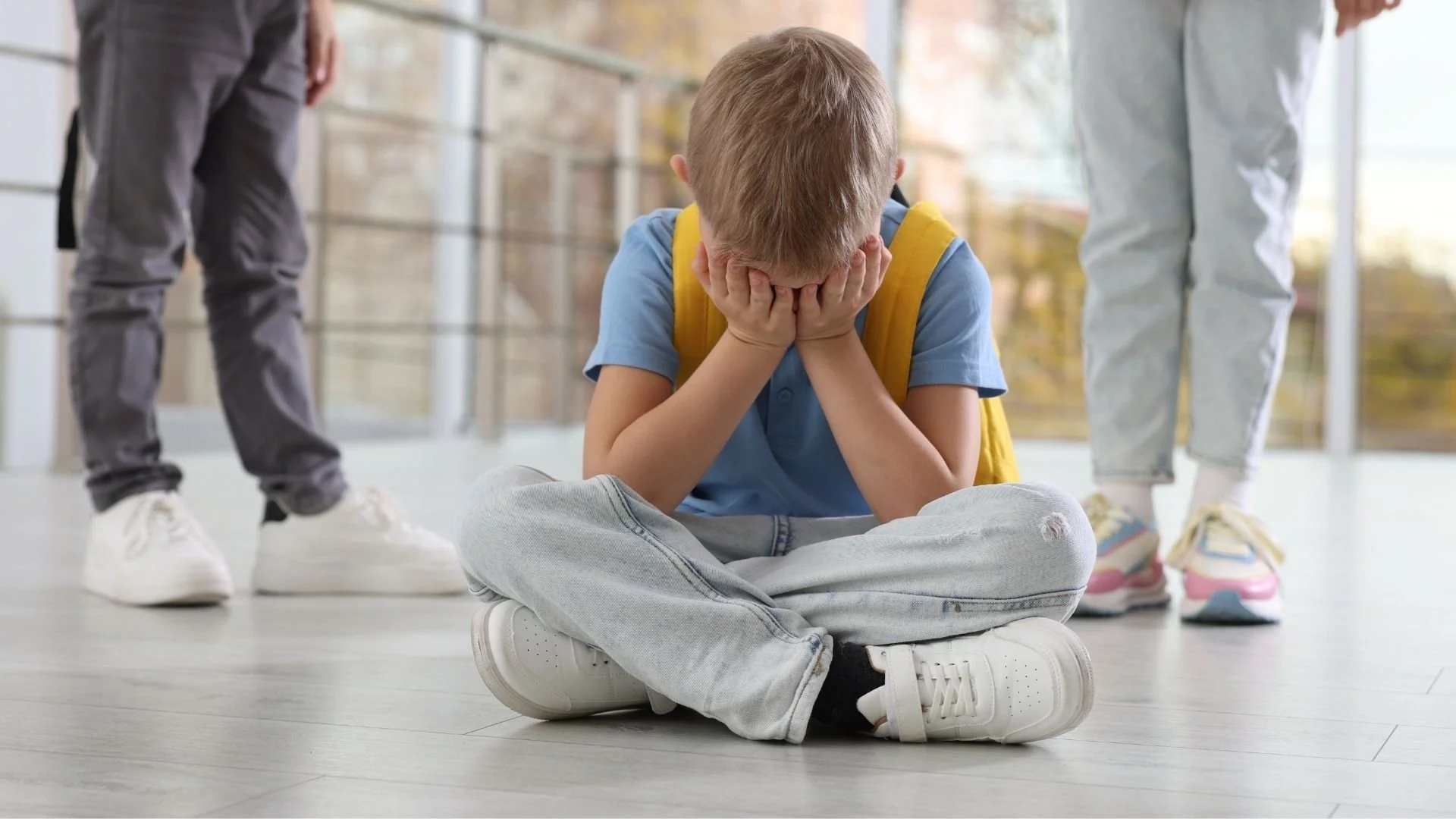
Bullying in schools is one of the most common concerns I hear from parents in my therapy practice, as it significantly affects school students. Whether a child is experiencing bullying directly or struggling with behavior that harms others, these situations can deeply impact a child’s confidence, emotional safety, and overall mental health.
For many families, the hardest part is not knowing what to do next. Parents often ask questions like: How serious is this? Should I step in? What if my child is the one doing the bullying?
The truth is that bullying is complex. It can take many forms, and both children who are bullied and children who bully others often need support, guidance, and healthy boundaries to move forward.
In this article, we’ll explore bullying in schools examples, current statistics about bullying and cyberbullying, and practical strategies parents can use to support their children.
Understanding Bullying in Schools
Bullying involves repeated aggressive behavior where a child intentionally harms, intimidates, or excludes another child. It often involves a power imbalance, whether that power is physical strength, popularity, social influence, or access to digital platforms.
These behaviors are all forms of school bullying, which can take many shapes and significantly impact students' emotional well-being and academic achievement.
Some common bullying in schools examples include:
Name-calling or verbal insults
Spreading rumors or gossip
Social exclusion from peer groups
Physical intimidation or aggression
Mocking a child’s appearance, abilities, or background
Online harassment through social media, messaging apps, or gaming platforms
In recent years, cyberbullying has become one of the fastest-growing forms of bullying because it allows harmful behavior to follow children beyond the school day and into their homes.
Statistics About Bullying and Cyber Bullying
Research shows that bullying remains a significant concern in many schools. Recent national surveys and education statistics from sources such as the National Center for Education, Center for Education Statistics, and Pew Internet reveal that students reported high rates of bullying across public schools, middle schools, and elementary schools.
In the past year, a national survey and school survey data show that about 20% of high school students reported being bullied on school property, while 15% reported being bullied electronically or bullied online. Female students are more likely than male students to report being bullied, especially electronically bullied or experiencing cyberbullying. Asian students and Pacific Islander students are less likely to report being bullied compared to other groups.
The School Crime Supplement and National Crime Victimization Survey trends report that adolescent girls and young people are particularly affected by cyber bullying and online bullying, with common forms including mean or hurtful comments, exclusion in group chat settings, and the spreading of rumors. Students reported that hurtful comments are the most frequent type of online harassment. These findings highlight that bullying and cyberbullying are prevalent issues in all school environments, including incidents on school property.
According to the National Center for Educational Statistics, about 20% of students ages 12–18 report being bullied at school each year. That means roughly one in five students experiences bullying in schools.
Cyberbullying has also become increasingly common. Statistics about cyberbullying from the Cyberbullying Research Center suggest that around 30–40% of adolescents report experiencing some form of cyberbullying during their lifetime. Many young people, especially adolescent girls, have experienced cyberbullying, including being bullied electronically through social media, text messages, and group chats.
These cyberbullying statistics are concerning because online harassment can happen at any time of day, making it difficult for children to escape the situation. Unlike in-person bullying, harmful messages or images can also spread quickly and remain online for long periods of time. Students who are bullied, whether in person or online, face a greater risk for emotional distress, social and emotional distress, self harm, physical injury, and lower academic achievement.
Traditional bullying is still more common than cyberbullying. However, understanding the percentage of bullying in schools helps parents recognize that while bullying is unfortunately common, it is also something families and schools can actively work to prevent.
Signs Your Child May Be Experiencing Bullying
Children do not always tell parents when they are being bullied. In therapy, I often see children who have been struggling silently for weeks or months before adults become aware of the situation.
Some warning signs may include:
Sudden reluctance to go to school
Frequent stomachaches or headaches
Changes in sleep or appetite
Sleep difficulties, such as trouble falling asleep, staying asleep, or frequent nightmares
Withdrawal from friends or activities
Decreased confidence or self-esteem
Mood changes such as sadness, anxiety, or irritability
If you notice these changes, it may be helpful to gently ask open-ended questions and create space for your child to share their experiences.
How Parents Can Help a Child Who Is Being Bullied
If your child is being bullied, your response as a parent can play a powerful role in how they cope and recover. Parental involvement is crucial to help stop bullying, as your support and action can make a significant difference in addressing and ending the situation.
Start With Listening and Validation
When a child shares that they are being bullied, the most important first step is listening. Children need to know they are believed and supported.
Avoid minimizing the situation or jumping immediately to problem-solving. Instead, try saying something like:
"I'm really glad you told me. That sounds really hard."
This helps children feel safe opening up about difficult experiences.
Work With the School
Many parents hesitate to contact the school, but addressing bullying early can prevent the situation from escalating.
Document what your child shares and communicate with teachers, counselors, or administrators about the issue. School staff play a crucial role in monitoring, intervening, and supporting students involved in bullying situations. Schools often have specific policies around bullying in schools prevention and can help monitor the situation.
Teach Assertive Responses
Some children benefit from learning simple assertive responses such as:
walking away
using confident body language
saying “That’s not okay. Stop.”
Practicing these responses can help children feel more confident in difficult social situations.
Strengthen Support Systems
Encourage friendships, clubs, sports, or activities where your child feels accepted and valued. Positive peer relationships can help rebuild confidence and reduce the emotional impact of bullying.
What If Your Child Is the One Bullying Others?
About one in five high school students reported being bullied on school property in the past year. This can be one of the most difficult situations for parents to face. Many parents feel shock, guilt, or defensiveness when they learn their child has been bullying another student. These reactions are completely understandable. However, it’s important to remember that children who bully often need guidance, boundaries, and support, rather than shame.
In therapy, we often look beyond the behavior itself to understand what may be driving it. Bullying can take many forms, including teasing at school, social exclusion, spreading rumors, or cyber bullying through messages or hurtful comments posted online. As children grow older, especially during the middle school and high school years, bullying can increasingly happen in digital spaces through online bullying, social media, or group chats.
Some children engage in bullying behavior because they:
struggle with impulse control
feel insecure or rejected themselves
are seeking attention, power, or social status among peers
are modeling behavior they have observed from others
are coping with stress, emotional challenges, or difficult life circumstances
Research also suggests that certain risk factors—such as social difficulties, lack of peer support, psychological stress, or feeling marginalized within a peer group—can increase the likelihood of a child engaging in bullying behavior.
Addressing these root causes is essential for meaningful change.
Set Clear Boundaries
Children need to clearly understand that bullying behavior is not acceptable. Parents should calmly explain why the behavior is harmful and set firm expectations moving forward. This is especially important when bullying occurs online, where hurtful comments posted online can quickly spread and cause lasting harm.
Consequences should focus on accountability and learning rather than punishment alone. Helping children take responsibility for their actions encourages growth and prevents the behavior from continuing.
Build Empathy
One of the most powerful ways to change bullying behavior is helping children understand how their actions affect others. Many children who engage in bullying struggle to recognize the emotional impact of their behavior.
Parents can start empathy-building conversations by asking reflective questions such as:
“How do you think that made them feel?”
“What do you think it would feel like if that happened to you?”
“What could you do differently next time?”
These discussions help children develop stronger emotional awareness and social responsibility.
Teach Healthy Social Skills
Some children bully because they lack the skills needed to navigate friendships and conflict in healthy ways. This can be especially true for middle school students and high school students, who are still learning how to manage social dynamics and peer pressure.
Parents and therapists can help children practice important skills such as problem-solving, emotional regulation, respectful communication, and managing frustration without aggression. Learning these skills can significantly reduce the likelihood that bullying behavior will continue and help children build healthier relationships with their peers.
The Role of Programs to Prevent Bullying
Preventing bullying requires effort from families, schools, and communities. Comprehensive strategies to prevent bullying and prevent cyberbullying are essential components of broader initiatives to reduce youth violence and promote public health in educational settings. These efforts are often supported by health and human services and human services agencies, which provide resources, mental health support, and community-based programs to address the needs of students and families.
Effective bullying in schools prevention includes:
teaching empathy and emotional intelligence
encouraging respectful peer interactions
promoting digital safety and responsible technology use
creating school cultures where students feel safe reporting concerns
Understanding developmental psychology is crucial for designing prevention strategies that are age-appropriate and address the unique needs of children and adolescents at different stages. Evidence-based approaches from peace research offer valuable insights into fostering positive peer relationships and reducing conflict within schools. Additionally, some prevention strategies are modeled after successful disease control efforts in public health, emphasizing systematic, proactive approaches to creating safer school environments.
Parents can also play a role by talking openly about kindness, boundaries, and respectful behavior both online and offline. Bystanders to bullying may experience increased feelings of fear, helplessness, and guilt so it's important every child is aware of the widespread impact of bullying.
When to Seek Professional Support
Sometimes bullying situations become emotionally overwhelming for children and there can be long-term consequences. We encourage young people to reach out to a trusted adult. Bullying increases the risk for depression, anxiety, sleep difficulties, lower academic achievement, and dropping out of school. Youth who bully others are at increased risk for substance misuse, academic problems, and experiencing violence later in adolescence and adulthood.
Therapy can help children process their experiences, rebuild confidence, and develop healthier coping skills. A therapist can also support families when a child is struggling with aggressive behavior toward peers. Addressing these patterns early can prevent long-term social and emotional challenges.
Final Thoughts
Bullying in schools is a serious issue, but it is also one that can be addressed with compassion, awareness, and proactive support.
Whether your child is being bullied or struggling with bullying behavior, the most important step is creating a safe environment where children feel heard and guided toward healthier relationships.
When families, schools, and mental health professionals work together, children can learn the skills they need to build empathy, resilience, and respect for others—both in school and beyond.